Market Overview

FII advances wood use and innovative wood construction technologies here at home.

By ensuring BC is an early adopter of new products and approaches to building with wood, mass timber and engineered wood products, we support regulatory change, stimulate jobs in the sector and showcase these advancements around the world.

Photo: Alliance Française, Vancouver, BC | Credit: Ed White Photographics, courtesy naturallywood.com

Key Stats

0

%
of all mass timber buildings in Canada have been built in BC (approximately)

0

mass timber buildings have been started or completed in BC since 2007

0

%
of international customers agree – BC forest products are a good choice for the environment

Market Priorities

  • Promote the benefits of wood as a sustainable, renewable building material
  • Support innovation that creates and respond to market demand
  • Accelerate adoption of wood products and building systems
  • Position BC as a leader in wood use
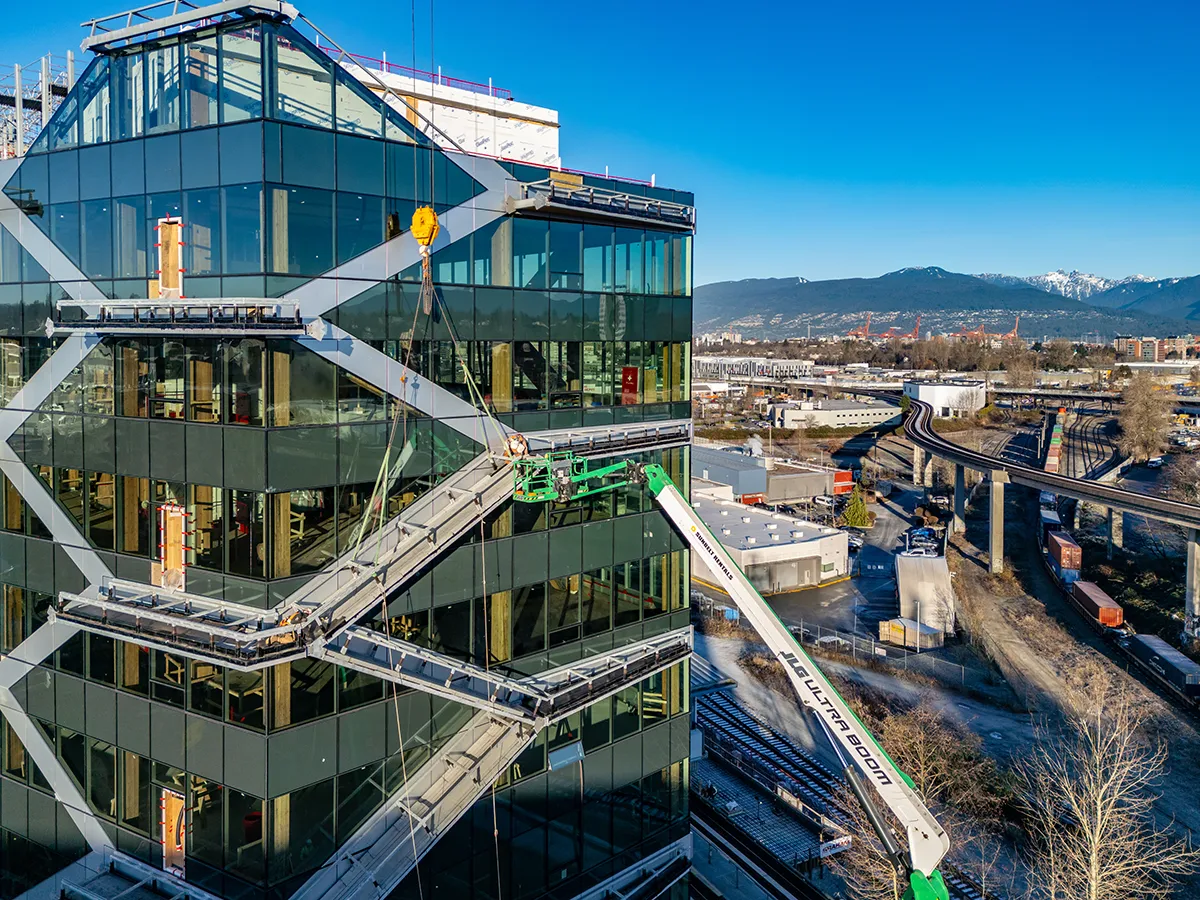
Photo: Construction of The Hive, Vancouver, BC | Credit: KK Law, courtesy naturallywood.com

Strategic Approach

FII works with industry, First Nations and government partners to advance wood use in BC through: 

  • Supporting the adoption of building codes allowing for mass timber use up to 18 storeys
  • Facilitating research and development into new wood products and building systems
  • Assist in the development of information, materials and expert networks that illustrate leadership in wood use across BC
  • Leveraging private and public projects to showcase wood construction and champion BC’s wood culture
  • Participating in cross-government and industry projects to reduce impediments and expand wood use
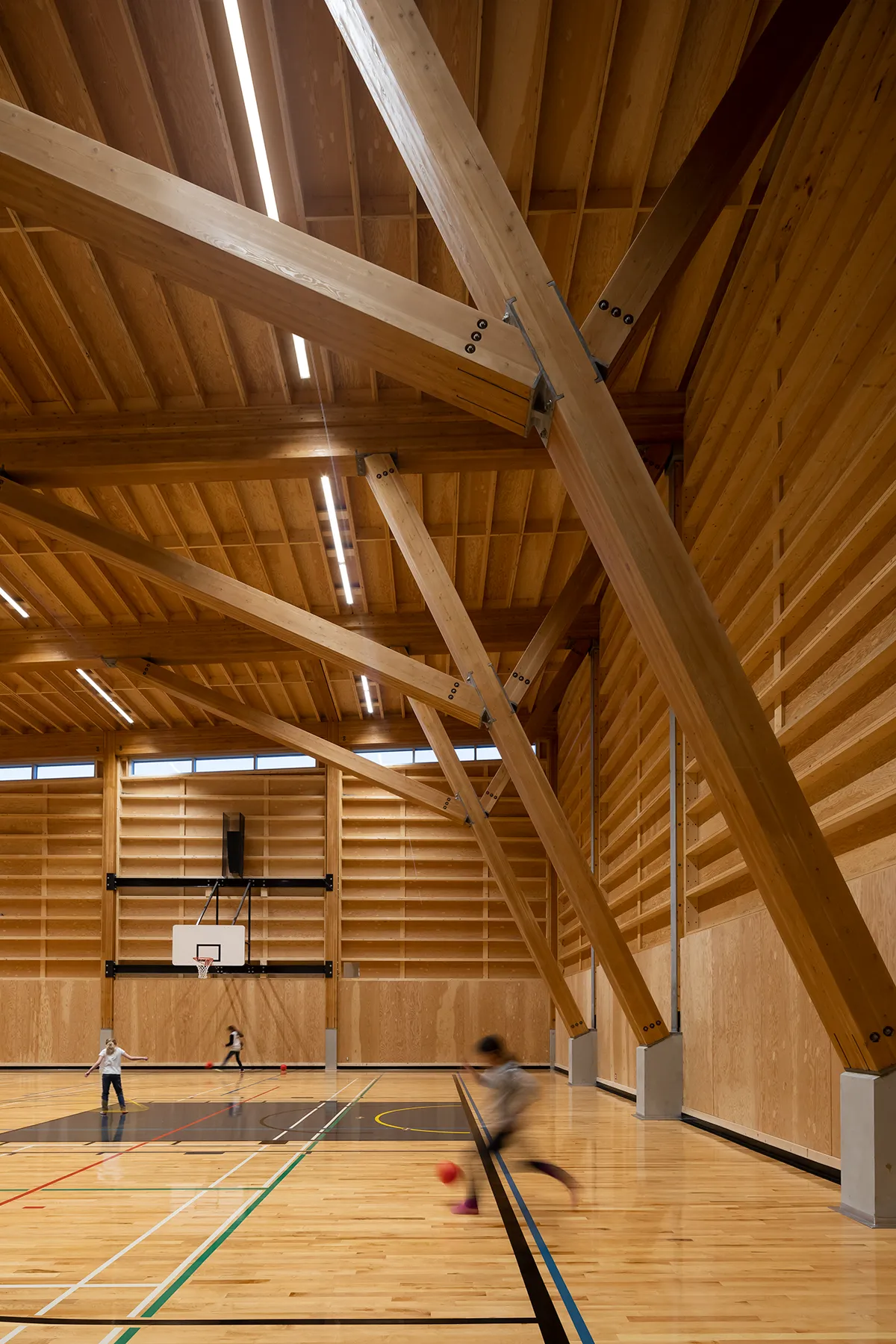
Photo: Upper Skeena Recreation Centre | Credit: Ema Peter Photography, courtesy Hemsworth Architecture

Featured Projects

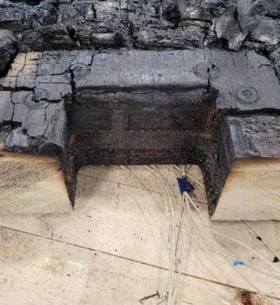
Charred mass timber test assembly following a fire experiment.

Growing impact: Five years and 100+ research projects

Since 2020, FII has funded and cost-shared more than 100 research projects that have shifted how the industry builds with wood and helped modernize codes and regulations. Research on fire safety and seismic resilience has supported key changes to building codes and boosted market confidence and uptake. The research has delivered breakthroughs in:

  • Fire safety: FII has funded a portfolio of fire safety research that has strengthened confidence in mass timber buildings. Full scale testing validated two hour fire resistance for mechanically laminated and other mass timber floor systems, directly informing design guidance and standards used in B.C. Additional projects examined encapsulation strategies and allowable exposed timber limits, providing regulators, standards bodies and practitioners with the technical evidence needed to safely advance mass timber use. This work informed both the B.C. Building Code and national building codes and standards, supporting consistent acceptance of mass timber fire safety provisions across jurisdictions.
  • Seismic resilience and structural performance: Dozens of co-ordinated studies have advanced the seismic design of timber structures and supported major code evolution. Full scale testing and multi year research on hybrid systems—including light frame buildings braced by CLT cores, energy dissipating connections and high capacity shear wall systems—demonstrated robust earthquake performance in wood buildings. This body of work confirmed the performance of hybrid mass timber systems, informed national standards such as CSA O86 and related seismic design guidance, and enabled provisions for taller mass timber buildings, including the introduction of 18 storey mass timber construction in the B.C. Building Code.
Photo: FPInnovations

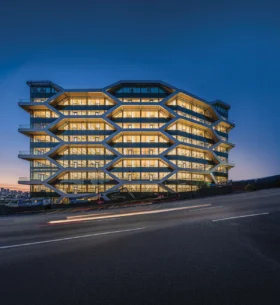
Exterior of a multi-storey office building at dusk, featuring a distinctive geometric façade with large windows illuminated from within.

Demonstrating mass timber’s advantages

FII’s communications strategy showcases how B.C.’s leadership is turning mass timber innovation into real-world results, drawing on examples from over 20 projects in the Mass Timber Demonstration Program (MTDP). Technical insights, strong visuals and practitioner-focused content are delivered across the channels where industry professionals are already looking for credible information, including social media, industry trade associations and conferences.

FII worked closely with project teams in partnership with WoodWorks BC to document evidence on the constructability, performance and scalability of advanced structural, hybrid and prefabricated wood systems. Lessons from completed MTDP projects are helping to advance mass timber building systems and construction processes and strengthening industry understanding of emerging design and construction practices around taller wood construction, rental housing delivery and energy efficiency.

These insights are reaching design practitioners, developers, contractors, regulators and permitting agencies through extensive outreach that includes project tours, case studies, digital promotion and a growing library of video content. Recently completed projects featured on naturallywood.com—Vienna House, The Hive, the Kelowna International Airport Expansion and Beatty Street—helped drive almost 35,000 project page views (a 45 percent increase over last year) and 84,000 page views across all MTDP content since the start of the program, demonstrating keen industry interest.

The Hive, Vancouver | Photo: Michael Elkan, courtesy naturallywood.com

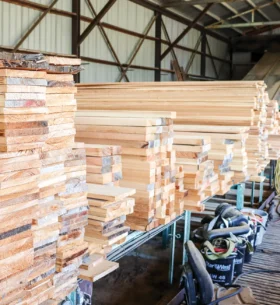
Stacks of cut lumber drying on racks inside a sawmill or wood-processing facility, with rows of boards extending through the building.

Expanding Indigenous supply chains through materials and resources guides

First Nations-led projects are supporting self-determination, local capacity and the informed use of local wood resources.

Through the Construction Foundation of BC’s Local Materials Inclusion Guide, Indigenous housing leaders, builders and forestry professionals co-developed two new practical guides grounded in on-reserve realities that address barriers related to land codes (First Nations land governance), timber rights, grading and scale. Engagement with more than 25 Indigenous and non-Indigenous experts ensured the tools reflect diverse community contexts and development pathways.

A long-form guide addresses key technical and regulatory considerations for First Nations forestry and wood product initiatives, while a short-form guide supports early decision-making by helping builders, administrators, community leaders and business partners map local resources and identify strategic partnerships.

Complementing this work, FII supported the BC First Nations Forestry Council (FNFC) to lead province-wide stakeholder identification, engaging all 204 First Nations in B.C. to better understand forestry priorities and active businesses. FII also helped unlock opportunities for new business relationships between First Nations and manufacturers in the forest sector by supporting FNFC’s BusinessConnect initiative.

Photo: Construction Foundation of BC

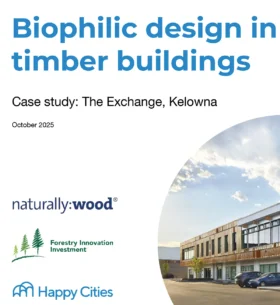
Cover of the report Biophilic Design in Timber Buildings: Case Study: The Exchange, Kelowna, published in October 2025, featuring a photo of The Exchange mass timber building and logos for naturally:wood, Forestry Innovation Investment and Happy Cities.

Measuring benefits of biophilic design

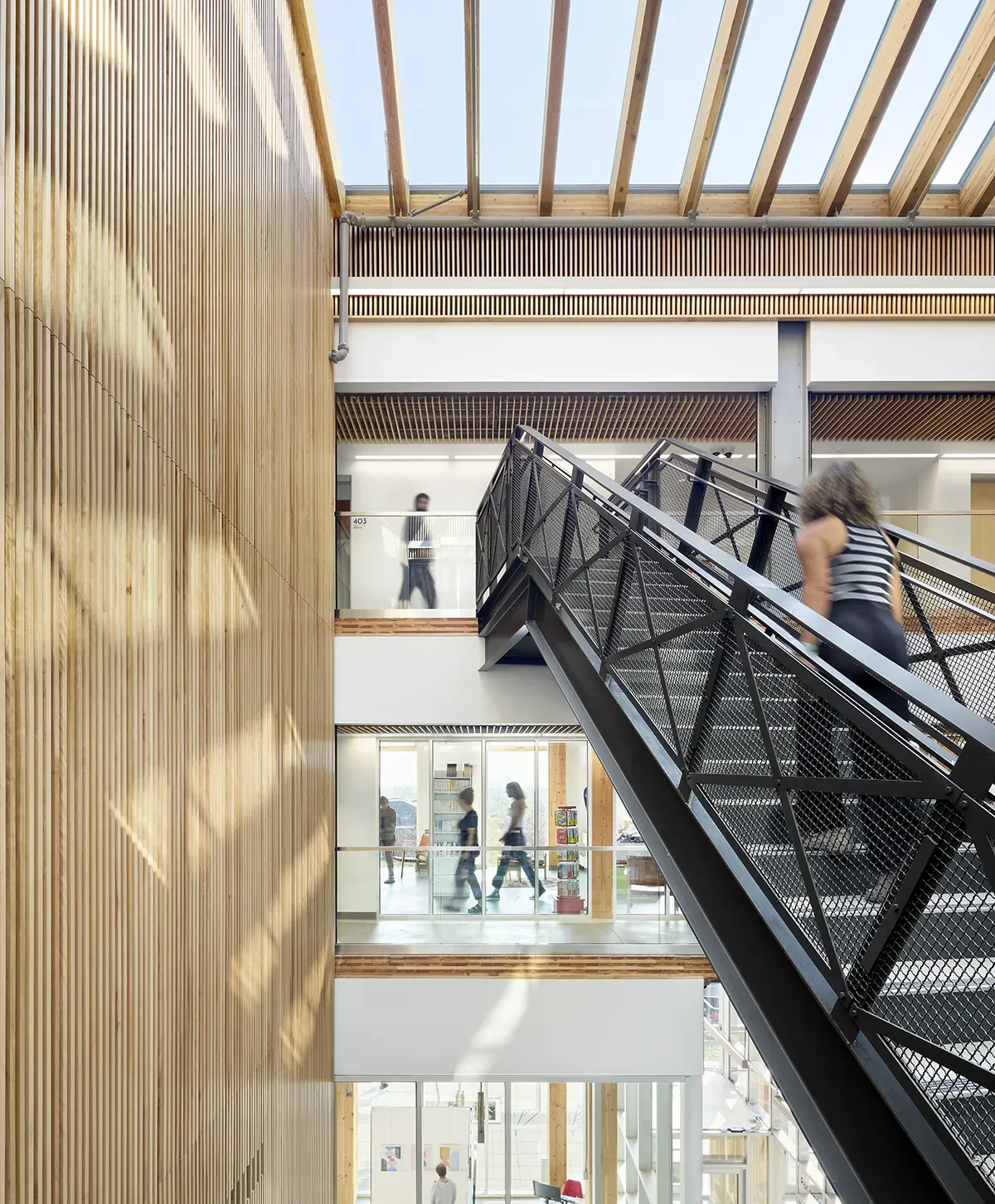
Happy Cities’ post-occupancy evaluation Biophilic Design in Mass Timber Buildings explored the experience of people working at two mass timber buildings at The Exchange in Kelowna. Through surveys, site visits and interviews, researchers examined how the use of wood in common areas influences occupant well-being. They found clear benefits:

  • 87% reported improved mental health in their new office
  • 61% reported improved physical well-being
  • 74% reported stronger collaboration with teammates

To help bring these advantages to more project teams, FII and architectural firm ZGF hosted a speaker panel at BUILDEX Vancouver—one of Canada’s core conferences and tradeshows for property management, interior design, architecture, construction and renovation. The panel previewed FII’s technical handbook, Inside Wood, which provides architects, interior designers and engineers with practical strategies for maximizing the use of exposed wood surfaces. The resource also addresses building codes, detailing, maintenance and biophilic design principles, bringing the health and performance advantages of wood to more people and more projects.

Learn more about biophilia on naturally:wood: naturallywood.com/resources/biophilic-response-to-wood/