Across India, interest in wood‑based construction is growing, particularly in resorts and vacation developments, driven in part by FII India’s education and outreach efforts. However, adoption has been limited by a lack of access to long‑span engineered wood products such as glulam.
Recognizing this gap early in its market entry, FII began introducing mass timber technologies to the Indian market through a series of demonstration projects showcasing engineered wood in larger, more complex structures. Projects such as the Canadian Wood villa in Hyderabad helped communicate the structural performance, aesthetics and design flexibility of mass timber products made from BC species to architects, developers, and builders.
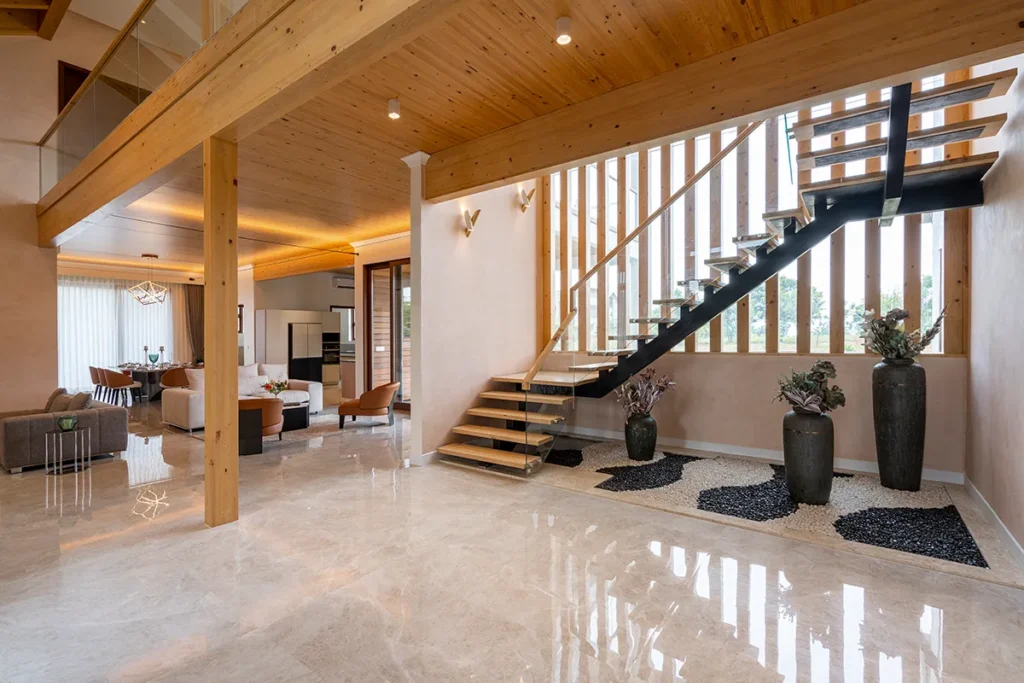
Among the early adopters was Artius, an established Indian wood manufacturer of high‑end door and window systems. Building on its expertise, Artius expanded into engineered wood and structural applications, including the manufacturing and use of structural glulam, using Douglas‑fir from British Columbia. Through FII‑supported workshops, technical training, and exposure to mass timber demonstration projects in British Columbia, the company transitioned into the use of structural glulam. Over time, Artius has completed a growing portfolio of custom glulam residences, experience centres, and commercial projects in India, helping normalize the use of structural mass timber in the market.
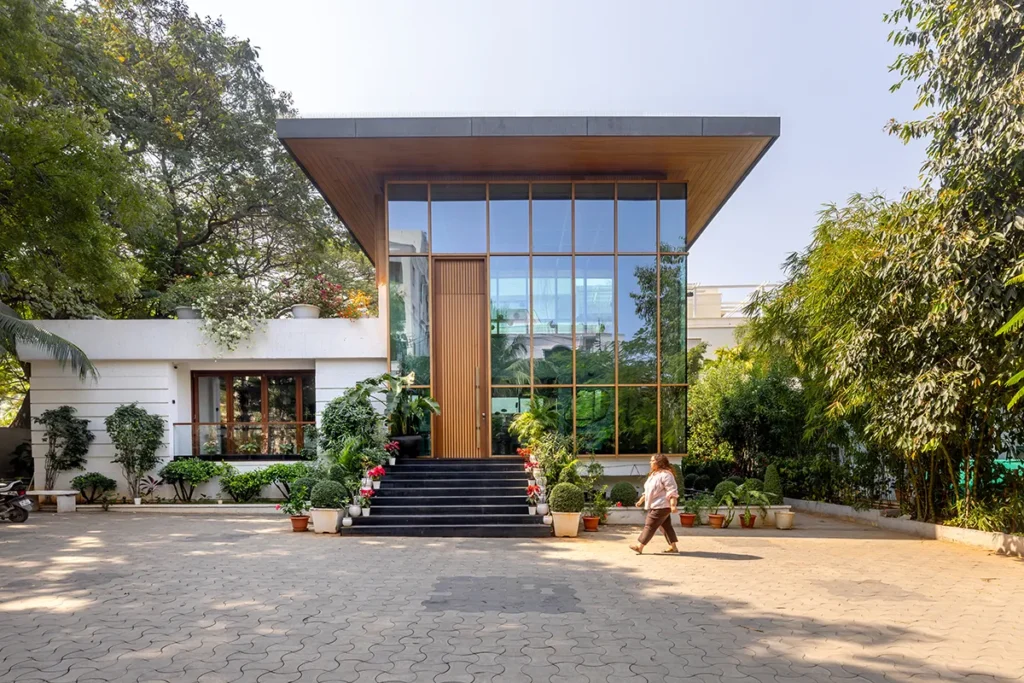
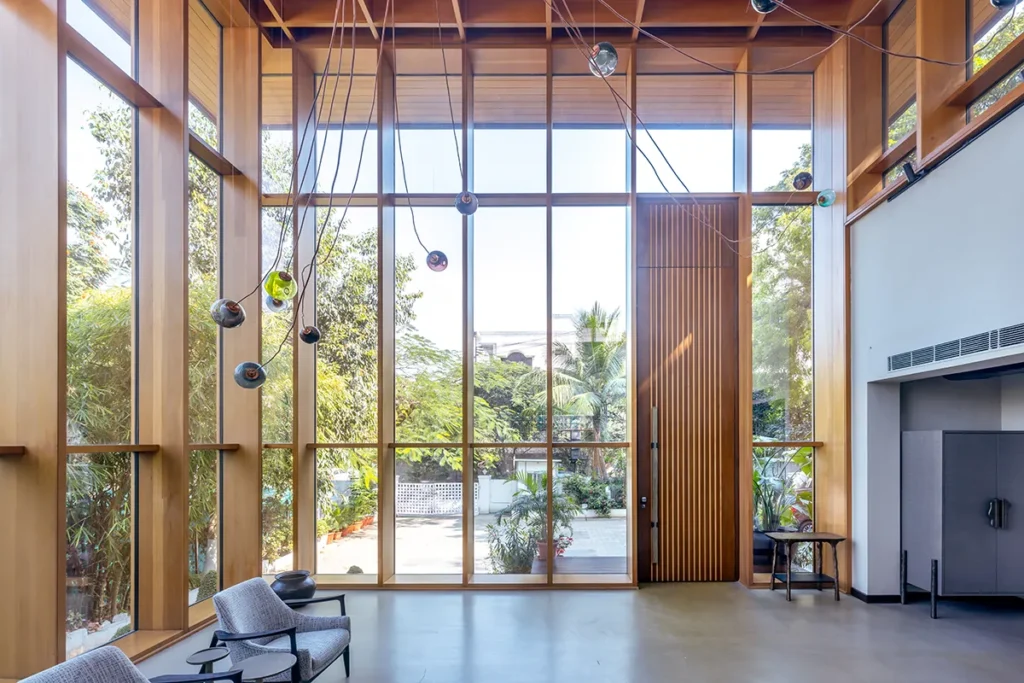
As market awareness grew, additional companies began to explore manufacturing engineered wood products. One such company was Pave Infrastructure, a construction firm based in West Bengal. Seeing the technical and market potential, the company established a new entity—Jackhammer India Pvt Ltd—to manufacture glulam products for the Indian market.
Glulam is composed of wood laminations (or lams) bonded together with durable, moisture-resistant adhesives. The grain of all laminations runs parallel with the length of the wood member. It can be used as columns, straight or curved beams and affixed side-by-side to form panels. It is particularly well suited to long-spanning structures.
Product testing was an important next step. Through FII’s product trial program, BC wood species were supplied for manufacturing and testing at the Institute of Wood Science and Technology in Bengaluru. These trials helped Jackhammer refine its production process and validate the performance of glulam made from BC species. Additionally, technical data generated through the testing contributed to the inclusion of Douglas-fir and western hemlock in India’s National Building Code.
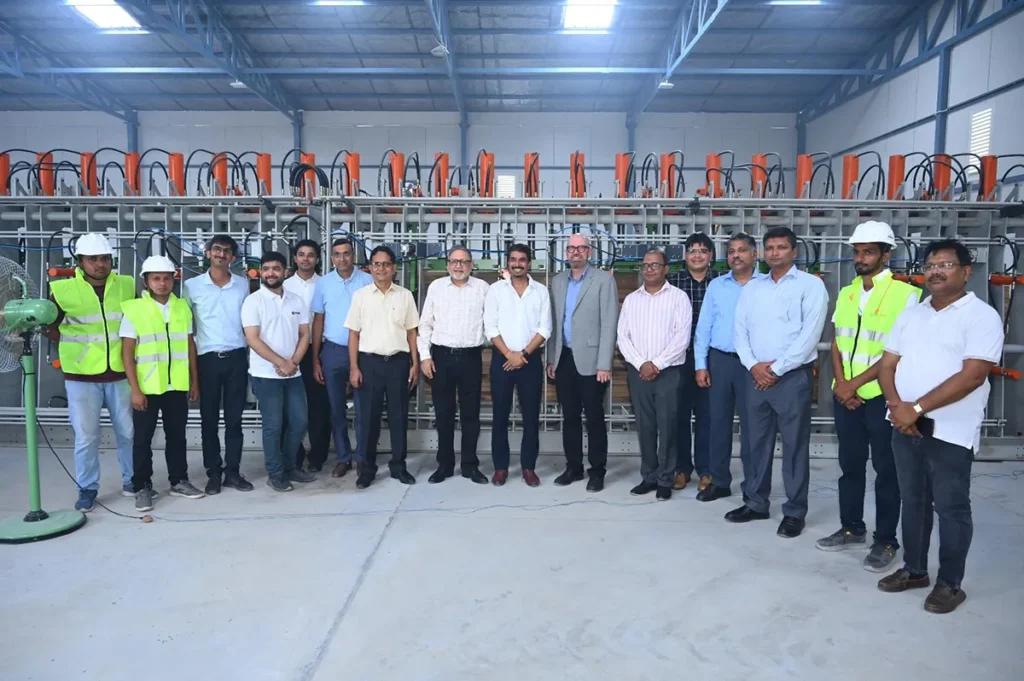
With growing confidence in its product and production capabilities, Jackhammer moved from testing to commercial production, placing its first orders for Douglas‑fir lumber from British Columbia. In September 2025, the company formally opened its glulam manufacturing facility in Siliguri. The inauguration was marked with industry partners and guests, including representatives from the FII India team.
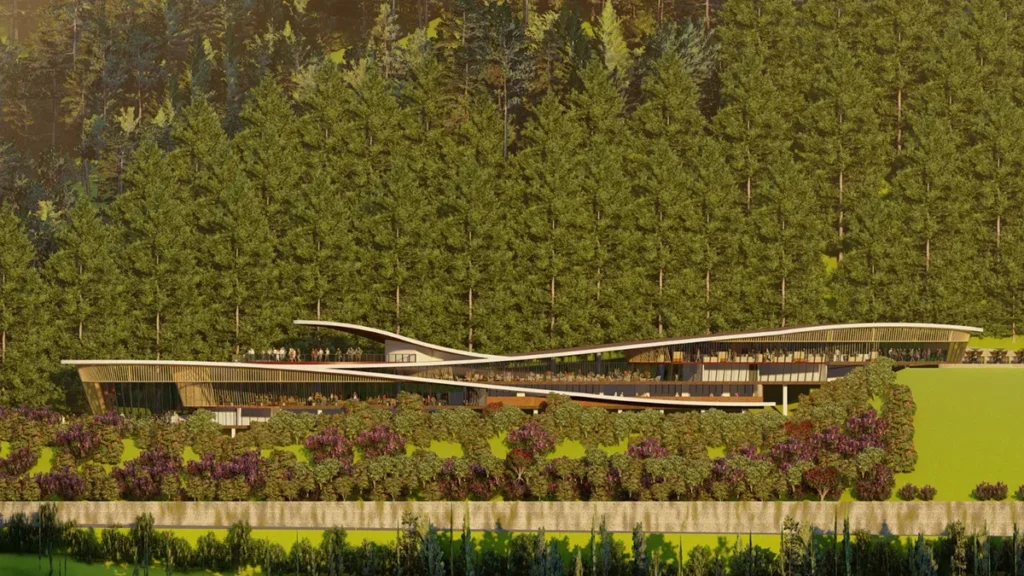
Jackhammer’s glulam products are now being used in an eco‑tourism facility within the Rhododendron Sanctuary in Northeastern India. The 16,000‑square‑foot visitor facility incorporates Douglas‑fir glulam beams, columns, and arches as the primary structural elements, enabling long spans and open assembly spaces within a sensitive ecological landscape.